
On Thursday 10 December, it was announced that The Correspondent would stop publishing on the 31st of the month. In the two weeks until the end of the year, we each took it in turn – via the daily newsletters – to say farewell, sharing an anecdote or two with you, as well as the stories we have loved reading or working on.
Below is the collection of all our story recommendations. I hope it serves as a way for you to explore our rich archive – alongside utilising the introductory guide, browsing the collections and correspondent pages, or perusing what’s on offer in audio, under the “Listen” tab.
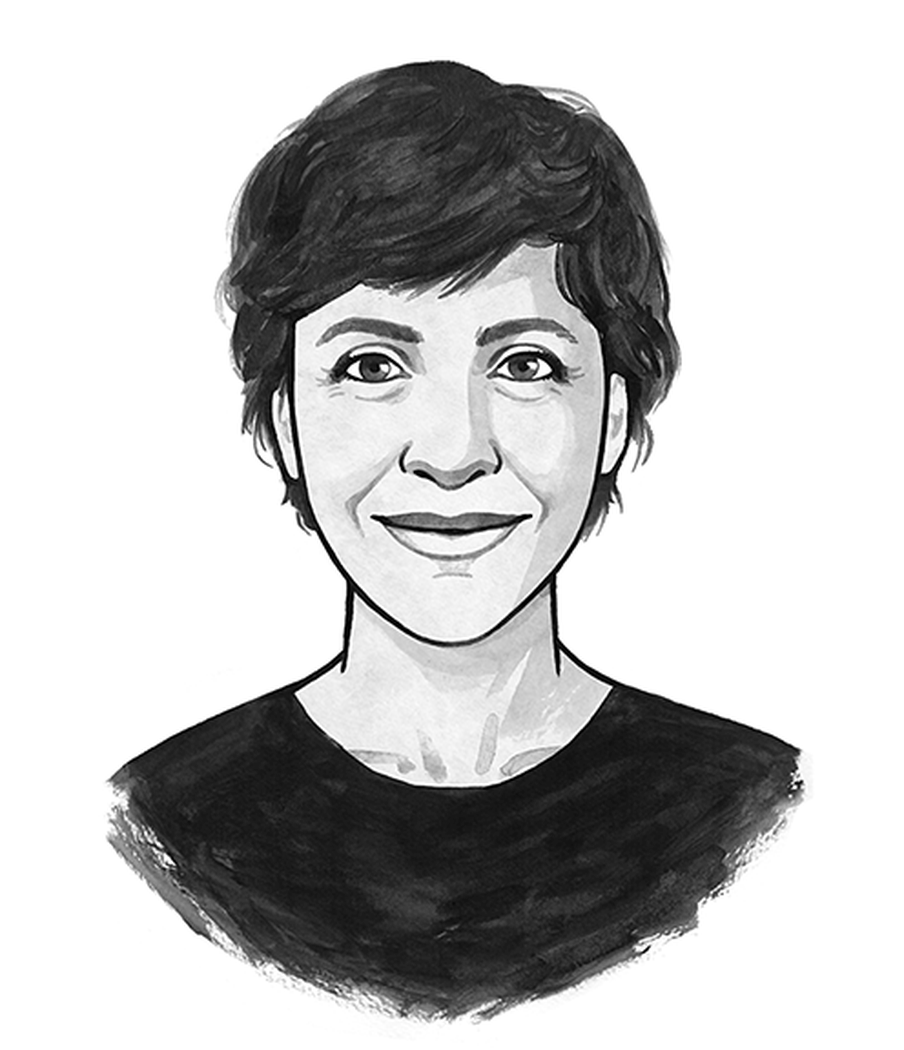
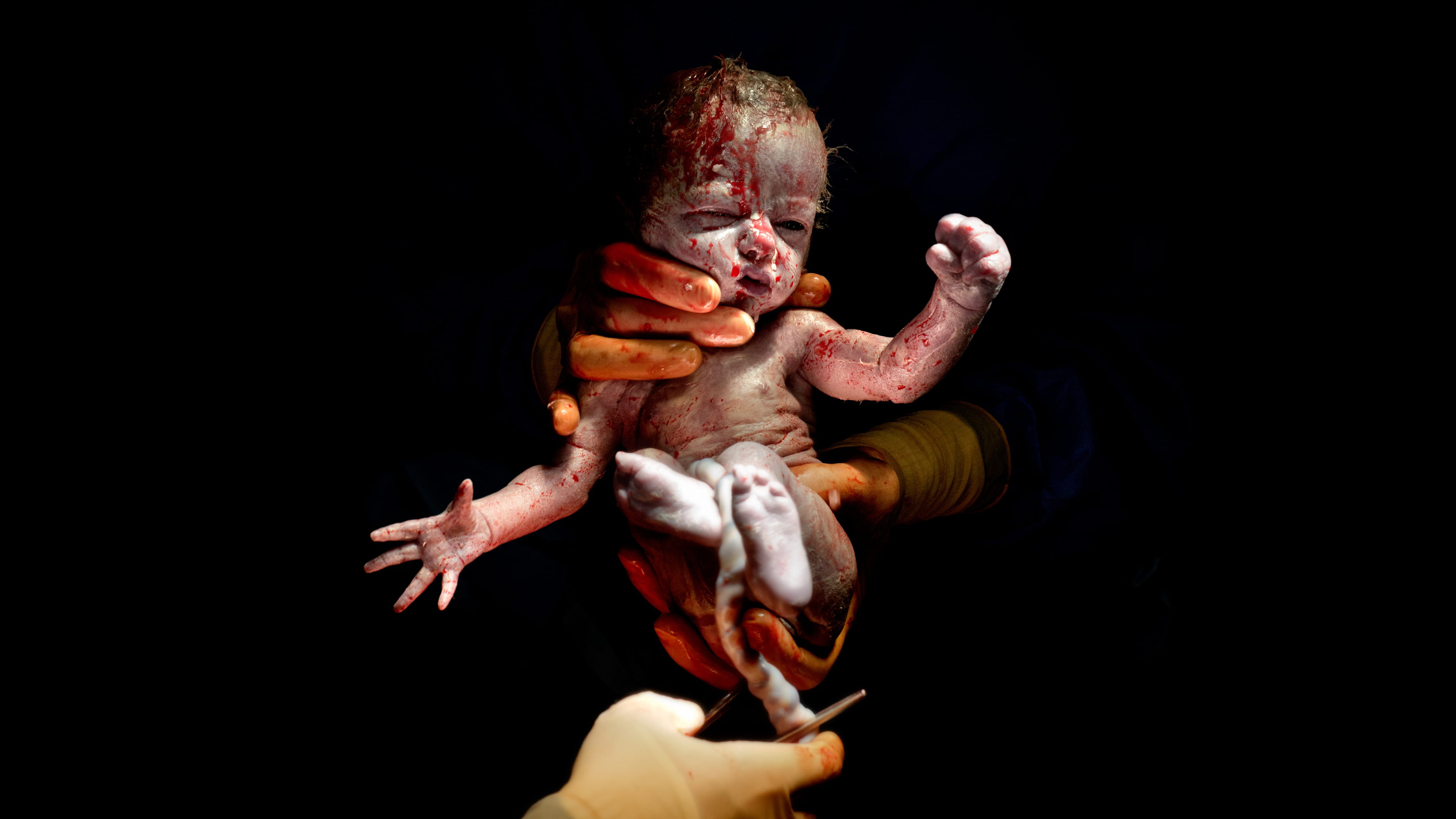
An introduction to the First 1000 days by correspondent, Irene Caselli
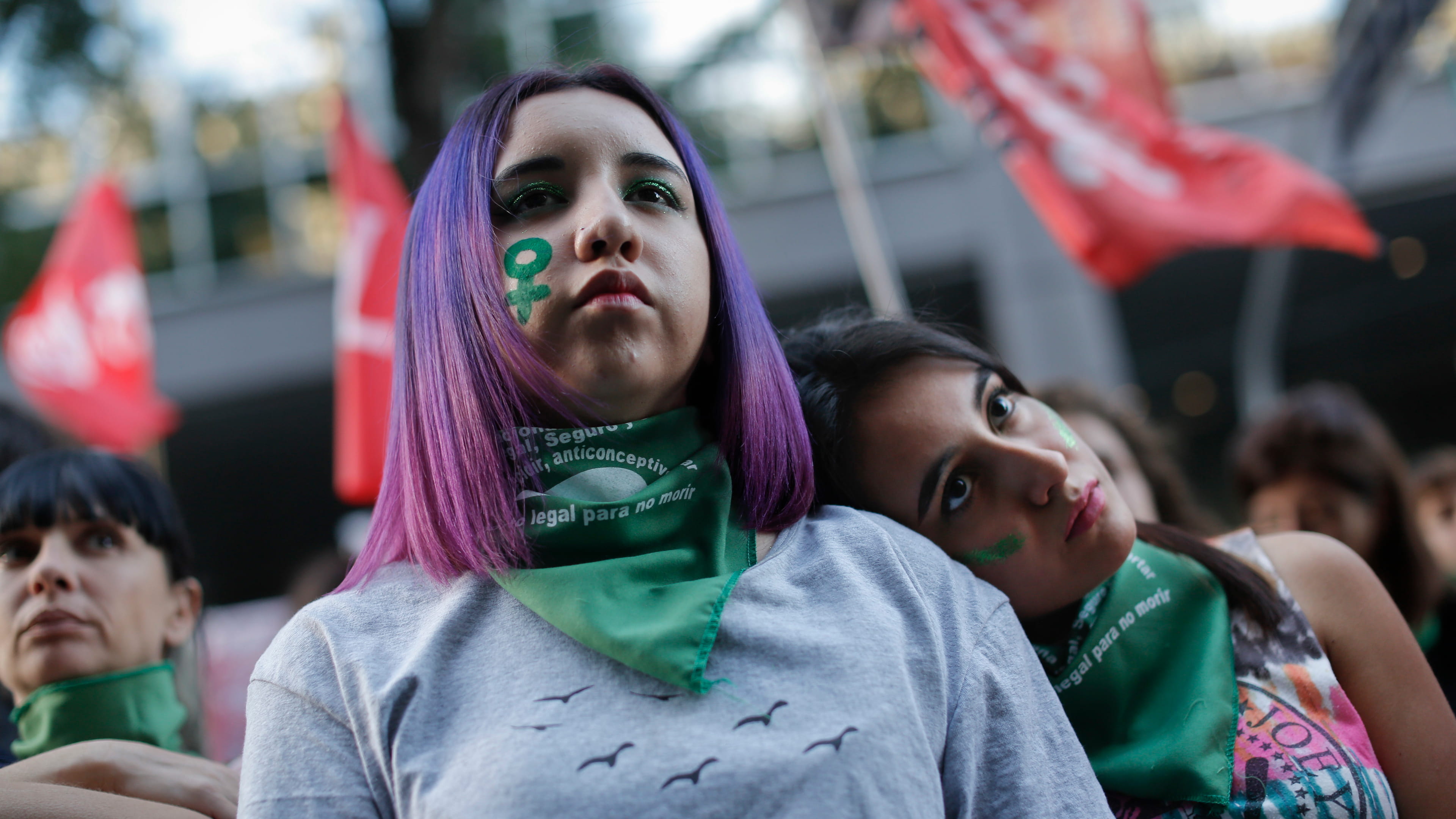 The birth of a movement: how activists are winning the battle to make abortion a right
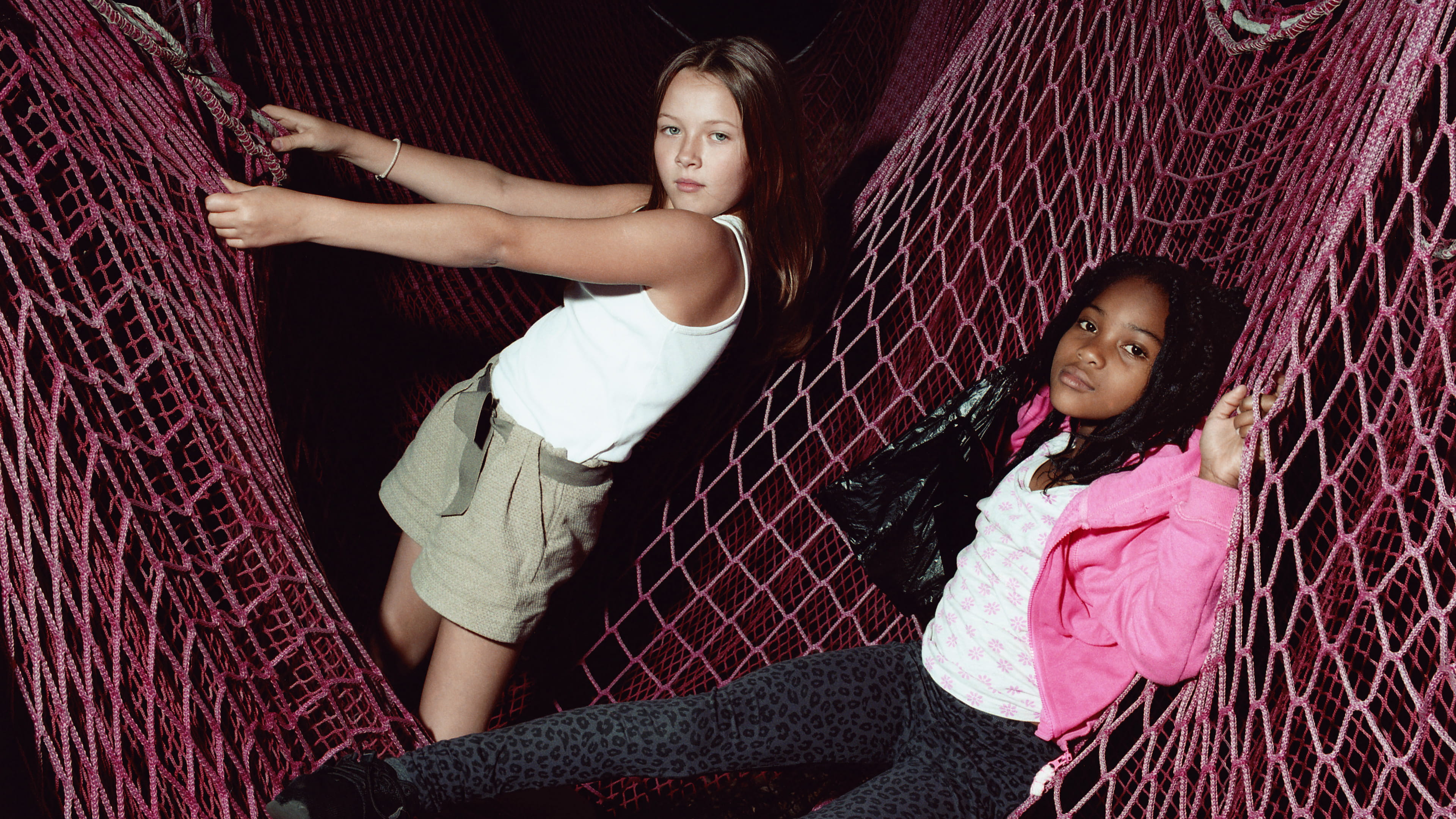 Meet the parenting expert who thinks parenting is a terrible invention
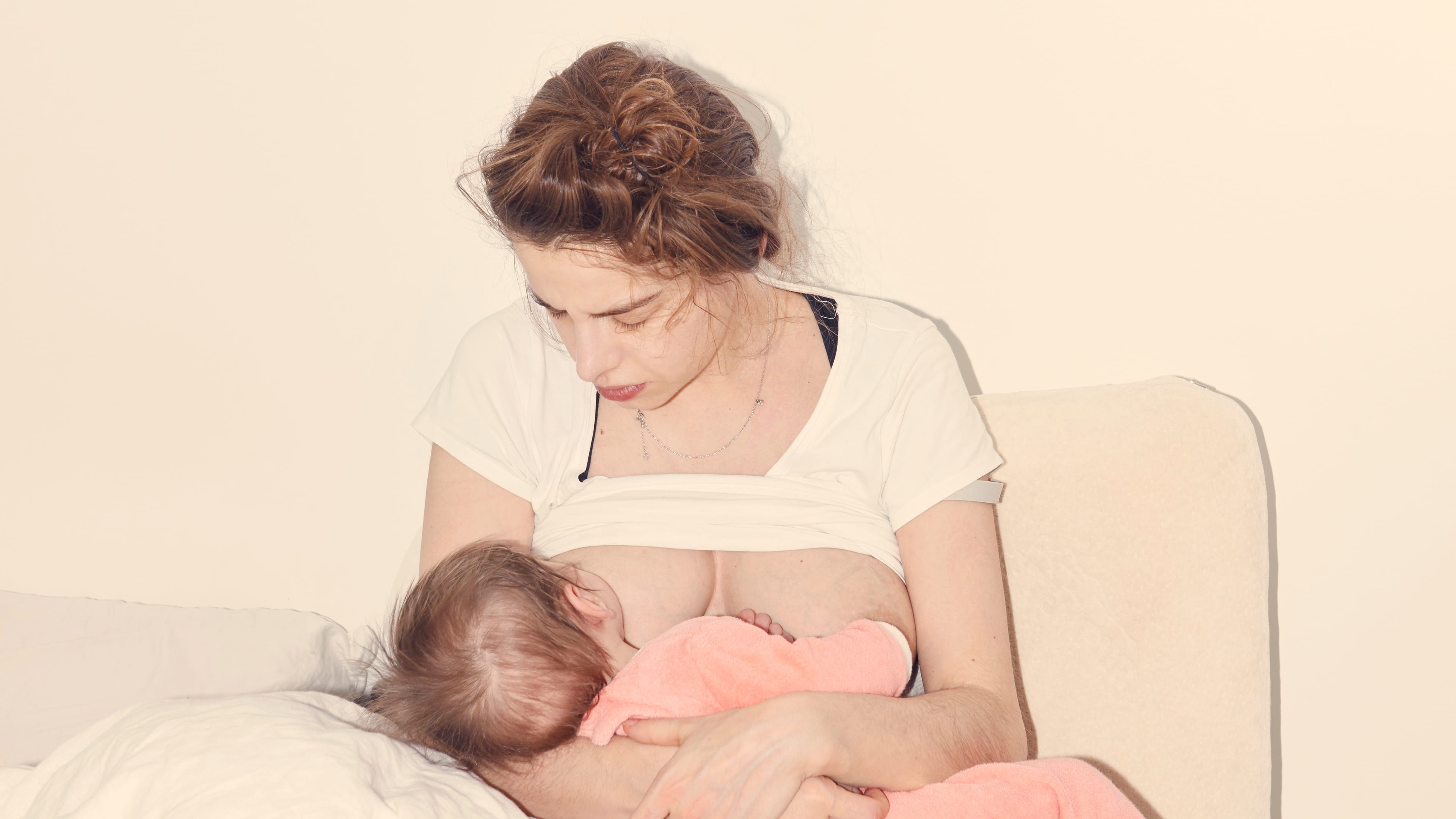 Breast milk is free (and five other myths about breastfeeding debunked)
Senior editor, Shaun Lavelle’s recommendations
 How we turned into batteries (and the economy forces us to recharge)
 Forget romantic loves. Let’s celebrate (and practise) a different kind of love instead
 Everybody was a child once. Remember that when they turn into your political foes (or worse)

Conversation editor, Nabeelah Shabbir’s recommendations
 On "memberful" reporting
Here we archived the varied ways The Correspondent’s members helped us create unbreaking news.
On "memberful" reporting
Here we archived the varied ways The Correspondent’s members helped us create unbreaking news.
 The Other Shelf book club
We made space to discuss important foundational issues: borders and death, reproduction on reservations, entire histories of the world, and Nigerian literary classics.
The Other Shelf book club
We made space to discuss important foundational issues: borders and death, reproduction on reservations, entire histories of the world, and Nigerian literary classics.  Global live chats
I hosted monthly parties where I could ask questions to those with lived experience or expertise of a topic.
Global live chats
I hosted monthly parties where I could ask questions to those with lived experience or expertise of a topic.
Editor and member support manager, Carmen Schaack’s recommendations
 Why the world can get worse by constantly saying it’s getting better
 Should women even want equality? And three other pressing questions for feminists today
 In 2030, we ended the climate emergency. Here’s how
Othering correspondent, OluTimehin Adegbeye’s top three newsletters
 These fires are 400 years old
As an African woman with some global mobility, institutional racism and misogyny break my heart. I shared some of that heartbreak here.
These fires are 400 years old
As an African woman with some global mobility, institutional racism and misogyny break my heart. I shared some of that heartbreak here.
 Love, sex and lust are all completely normal
I’ve had some delightful experiences outside of my writing for TC in the past 18 months. This session I attended on pleasure for queer women is just one of them.
Love, sex and lust are all completely normal
I’ve had some delightful experiences outside of my writing for TC in the past 18 months. This session I attended on pleasure for queer women is just one of them.
 I won’t debate you. Here’s why.
This year, I spent a lot of time getting sucked into unproductive ‘debates’ about people’s humanity. In November, I decided I was done.
I won’t debate you. Here’s why.
This year, I spent a lot of time getting sucked into unproductive ‘debates’ about people’s humanity. In November, I decided I was done.
Production editor, Sabrina Argoub’s recommendation
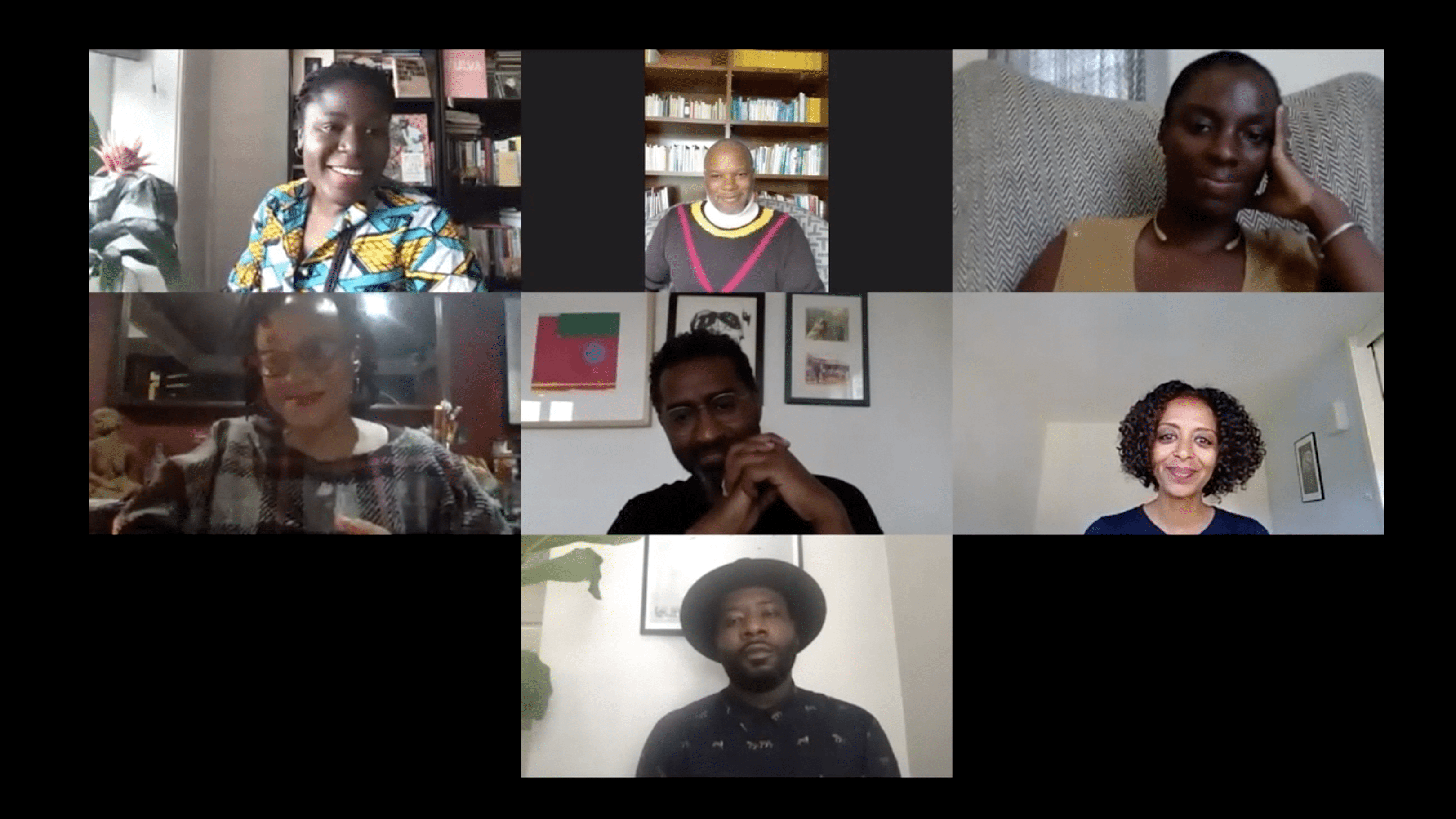
Sanity correspondent, Tanmoy Goswami shares his best stories
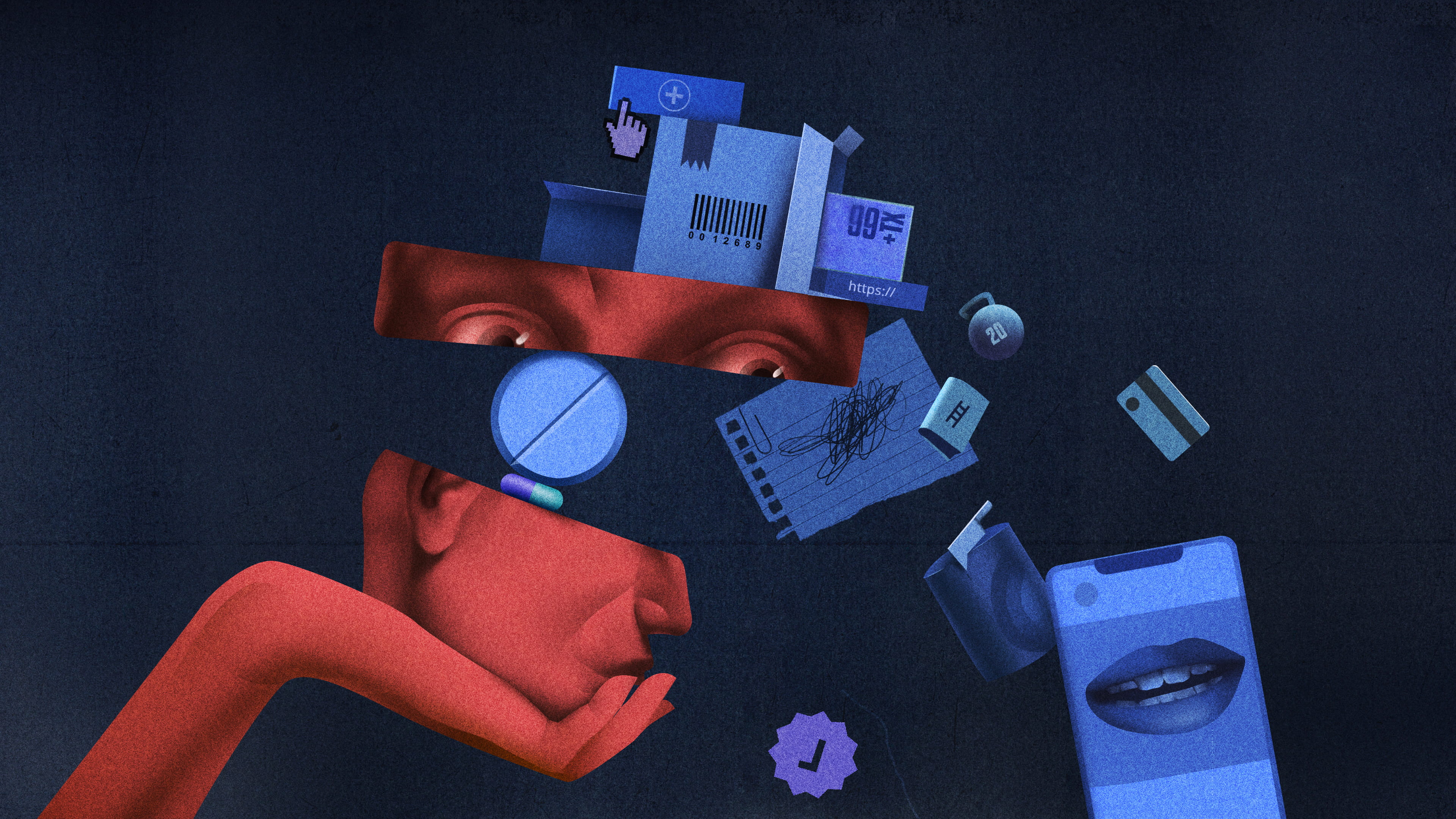 The time has come to take the self out of self-care
The seemingly fun, empowering idea of self-care has an ugly underside: it is weaponised against those who are most vulnerable and have the least access to resources.
The time has come to take the self out of self-care
The seemingly fun, empowering idea of self-care has an ugly underside: it is weaponised against those who are most vulnerable and have the least access to resources.
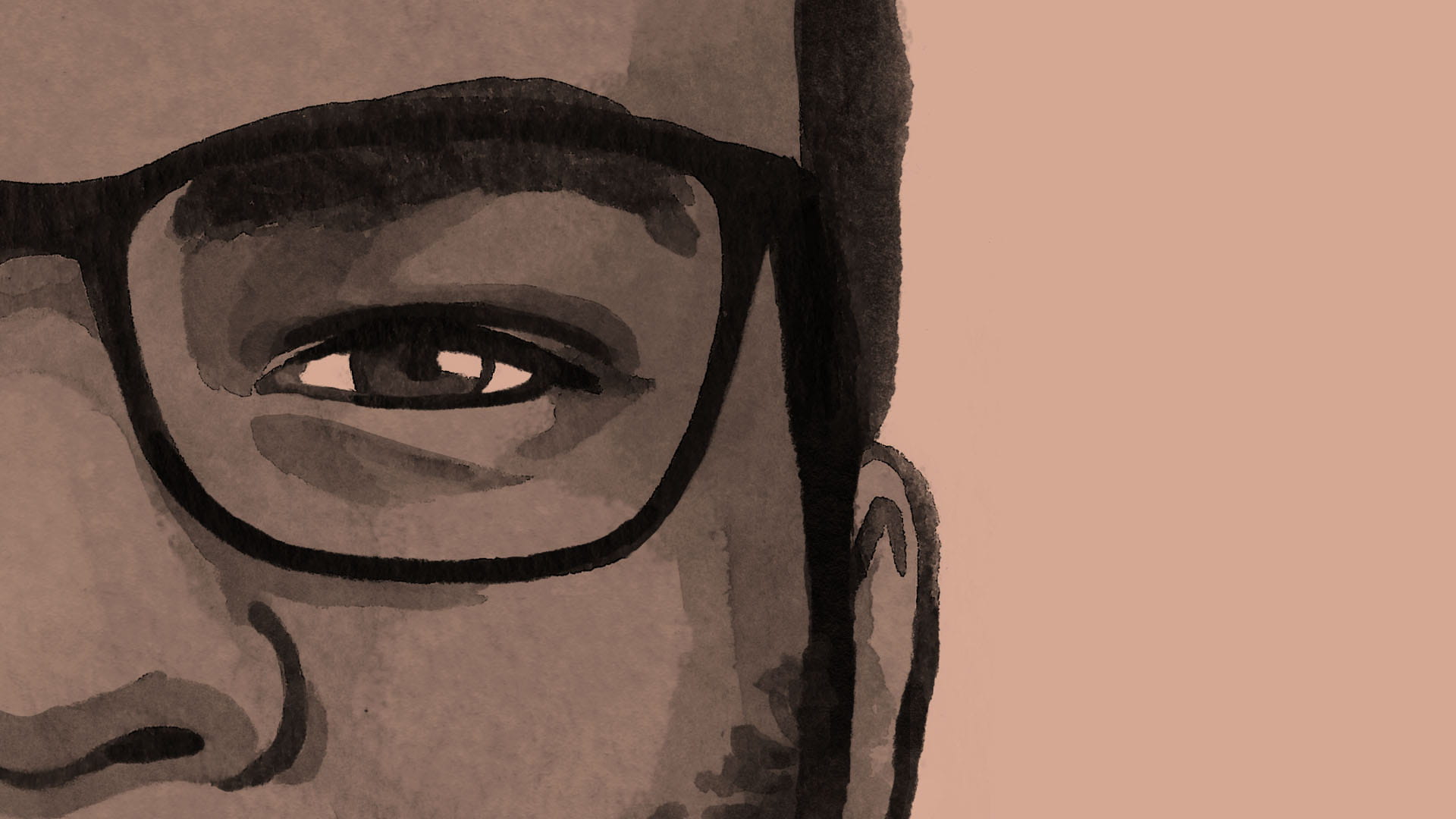 What people with disabilities want us to know about touch
If touch is a metaphor for the different ways we show each other our place in the world, it’s time to learn how to do it right.
What people with disabilities want us to know about touch
If touch is a metaphor for the different ways we show each other our place in the world, it’s time to learn how to do it right.
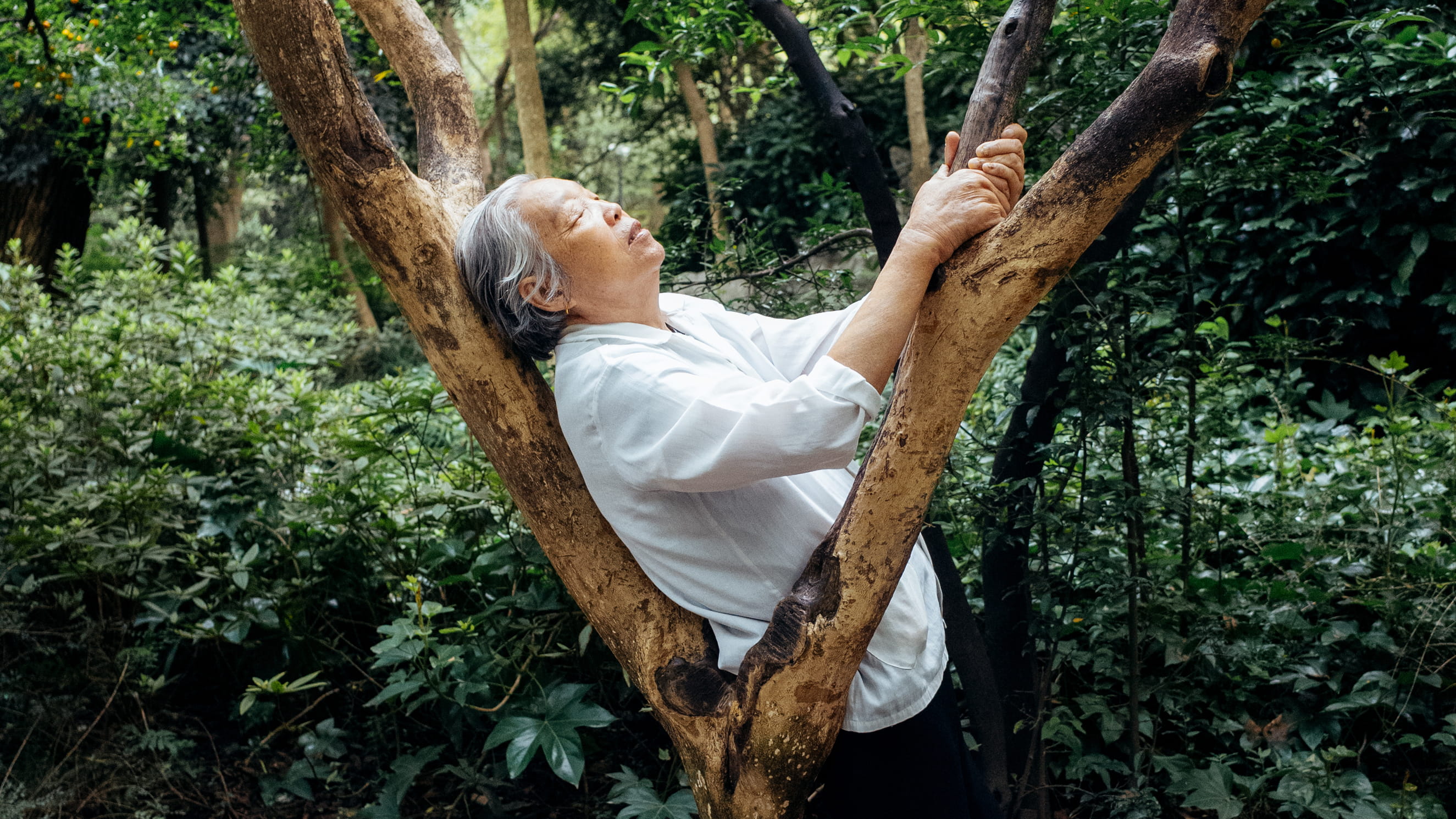 Where are all the older people in stories about depression?
Depression is the most prevalent mental illness among people over 60. Yet the public discourse on the disease focuses almost exclusively on younger age groups.
Where are all the older people in stories about depression?
Depression is the most prevalent mental illness among people over 60. Yet the public discourse on the disease focuses almost exclusively on younger age groups.
The best creative work, recommended by image editor Lise Straatsma
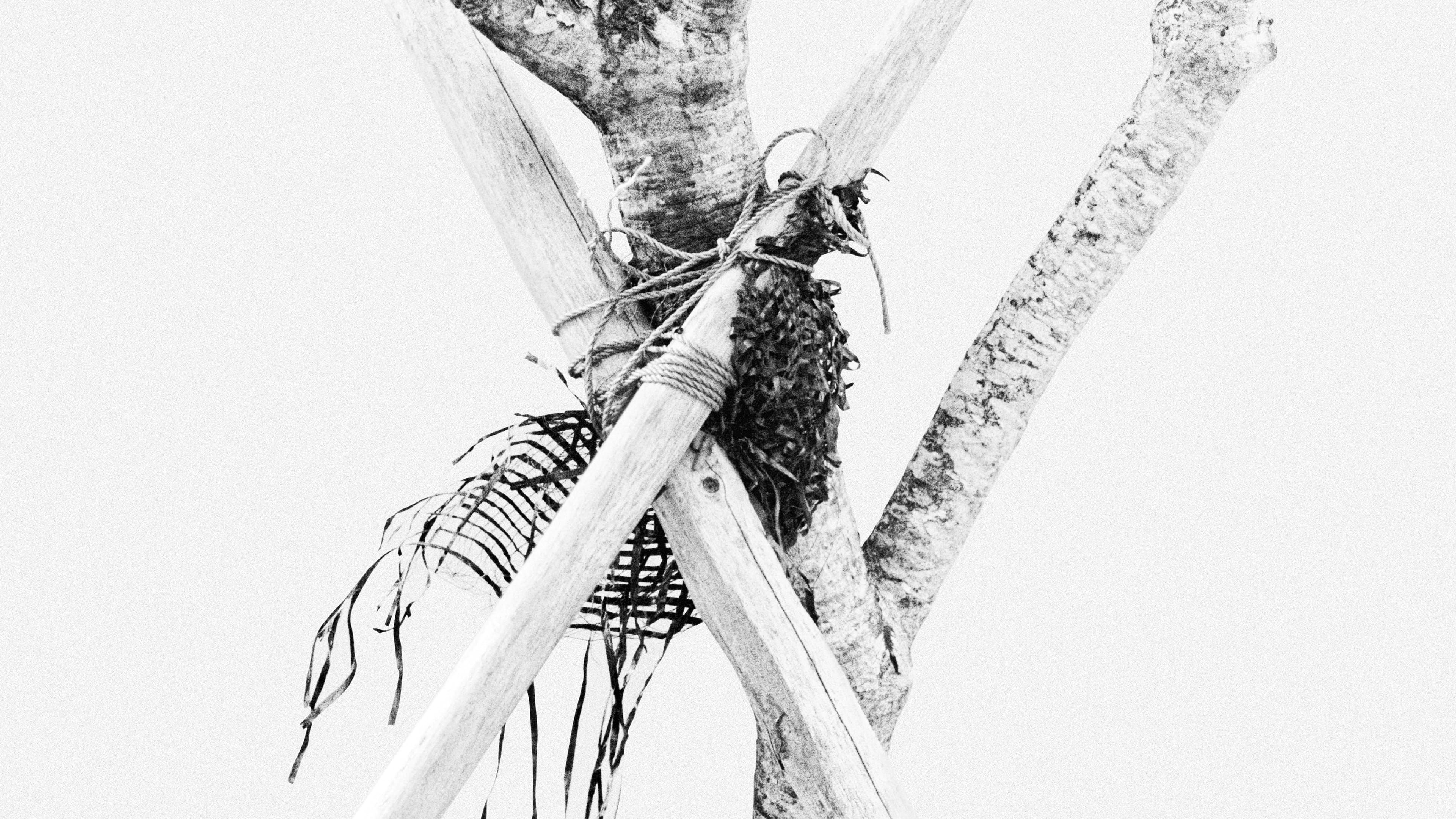 ‘Ways To Tie Trees’ by Singapore visual artist Woong Soak Teng
To kick off Eric Holthaus’ pieces on climate, instead of showing the climate emergency in full action the series, Teng showed the relationships between human beings and their surroundings instead.
‘Ways To Tie Trees’ by Singapore visual artist Woong Soak Teng
To kick off Eric Holthaus’ pieces on climate, instead of showing the climate emergency in full action the series, Teng showed the relationships between human beings and their surroundings instead.
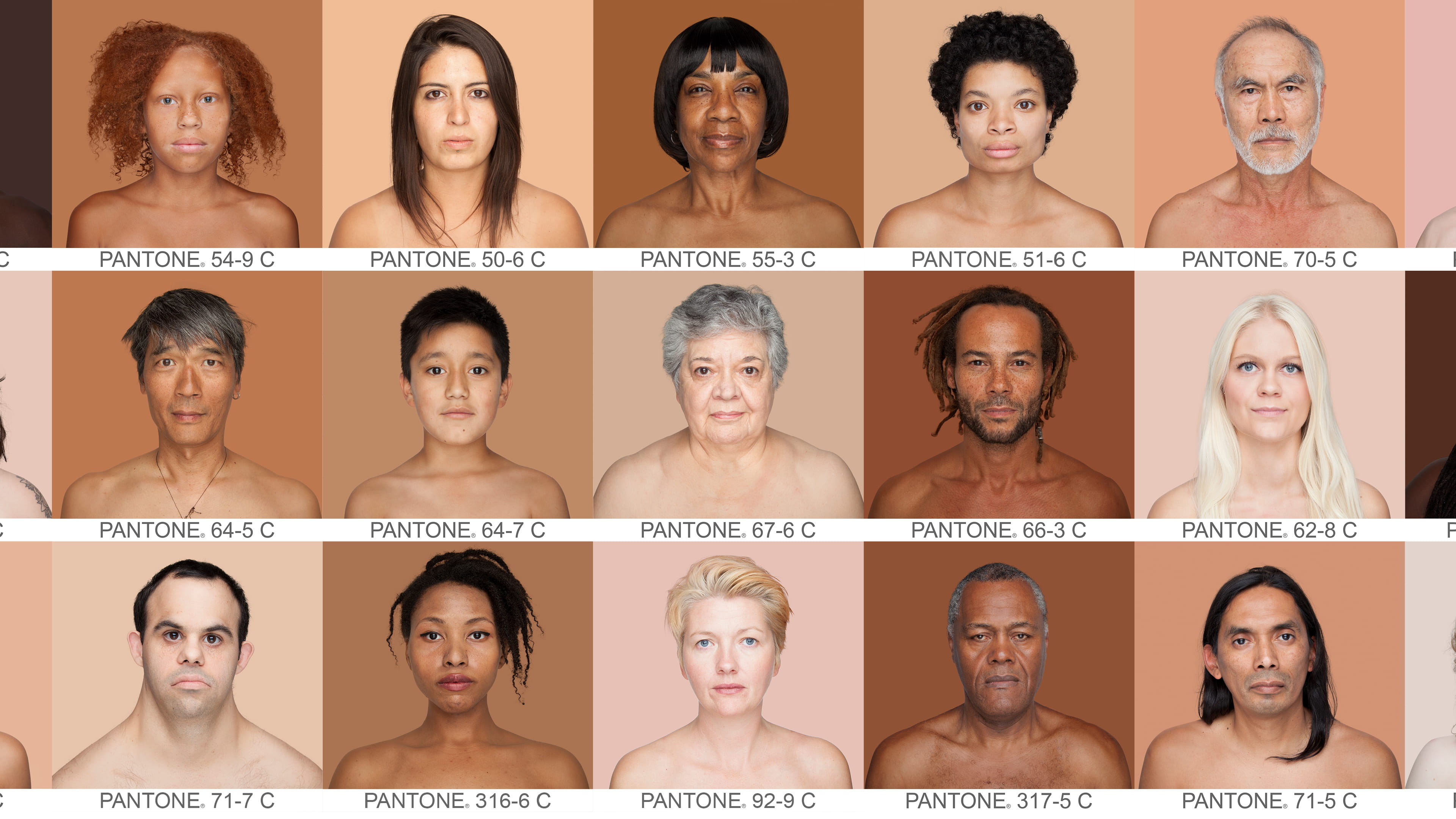 ‘Humanae’ project by Angelíca Dass
Dass photographed over 4,000 people, resulting in an amazing body of work that tells a story about race as a social construct rather than a biological one.
‘Humanae’ project by Angelíca Dass
Dass photographed over 4,000 people, resulting in an amazing body of work that tells a story about race as a social construct rather than a biological one.
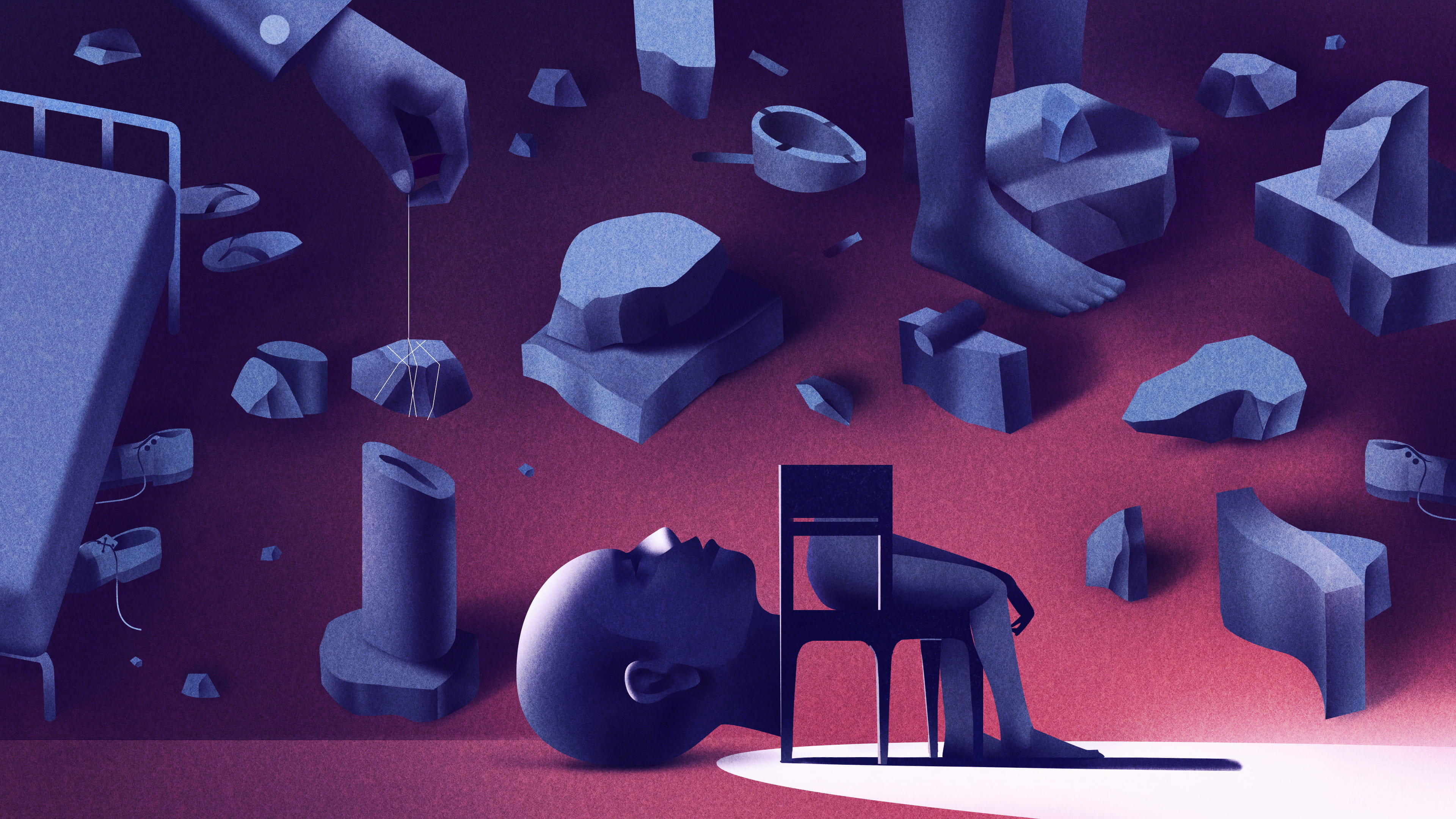 Our year-long collaboration with illustrator Ibrahim Rayintakath
For the Sanity beat, we knew we wanted to find a collaborator who had shared lived experience with correspondent, Tanmoy Goswami.
Our year-long collaboration with illustrator Ibrahim Rayintakath
For the Sanity beat, we knew we wanted to find a collaborator who had shared lived experience with correspondent, Tanmoy Goswami.
Better Politics correspondent, Nesrine Malik’s recommendations
 I’m starting a new series on play (and it should be fun!)
Almost every piece in Irene’s beat was a revelation. This series on play, why we do it, how it should be managed and encouraged in children, and how it is an activity universal to so many living things was a treat from start to finish.
I’m starting a new series on play (and it should be fun!)
Almost every piece in Irene’s beat was a revelation. This series on play, why we do it, how it should be managed and encouraged in children, and how it is an activity universal to so many living things was a treat from start to finish.
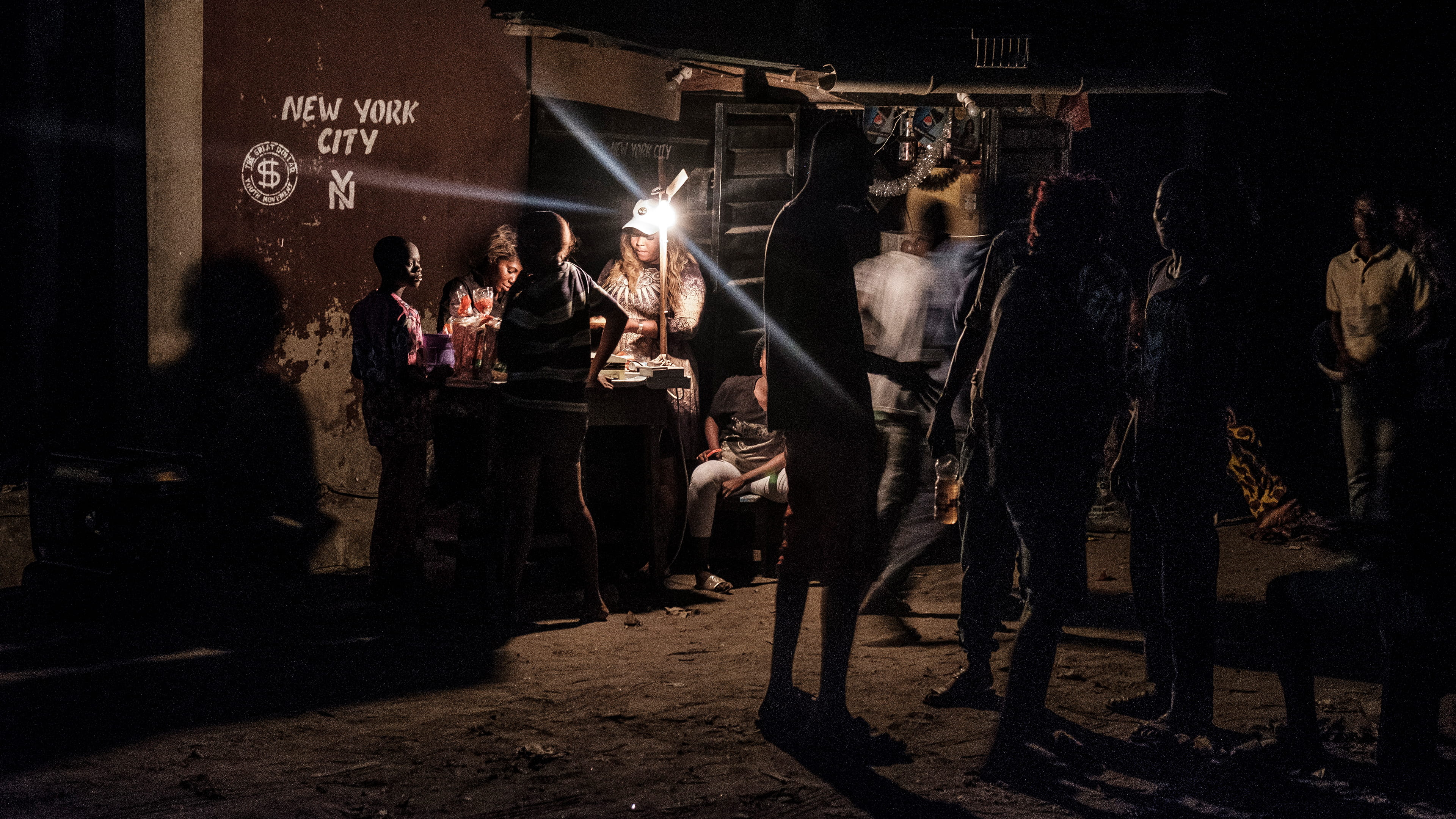 Why social distancing won’t work for us
This was a piece that I had been desperate to read. The entire safety protocol around the coronavirus is inapplicable to billions of people. OluTimehin communicated this fact in vivid detail from Lagos.
Why social distancing won’t work for us
This was a piece that I had been desperate to read. The entire safety protocol around the coronavirus is inapplicable to billions of people. OluTimehin communicated this fact in vivid detail from Lagos.
 Why we need hugs and handshakes to stay healthy
I loved this piece because it gave a name and shape to something I was experiencing and yet couldn’t quite identify. The Sanity beat excelled at doing this in general, taking something that we feel instinctively but do not know intellectually, and normalising so much of what we think are pathologies but are actually human nature.
Why we need hugs and handshakes to stay healthy
I loved this piece because it gave a name and shape to something I was experiencing and yet couldn’t quite identify. The Sanity beat excelled at doing this in general, taking something that we feel instinctively but do not know intellectually, and normalising so much of what we think are pathologies but are actually human nature.

Managing editor, Eliza Anyangwe’s recommendations
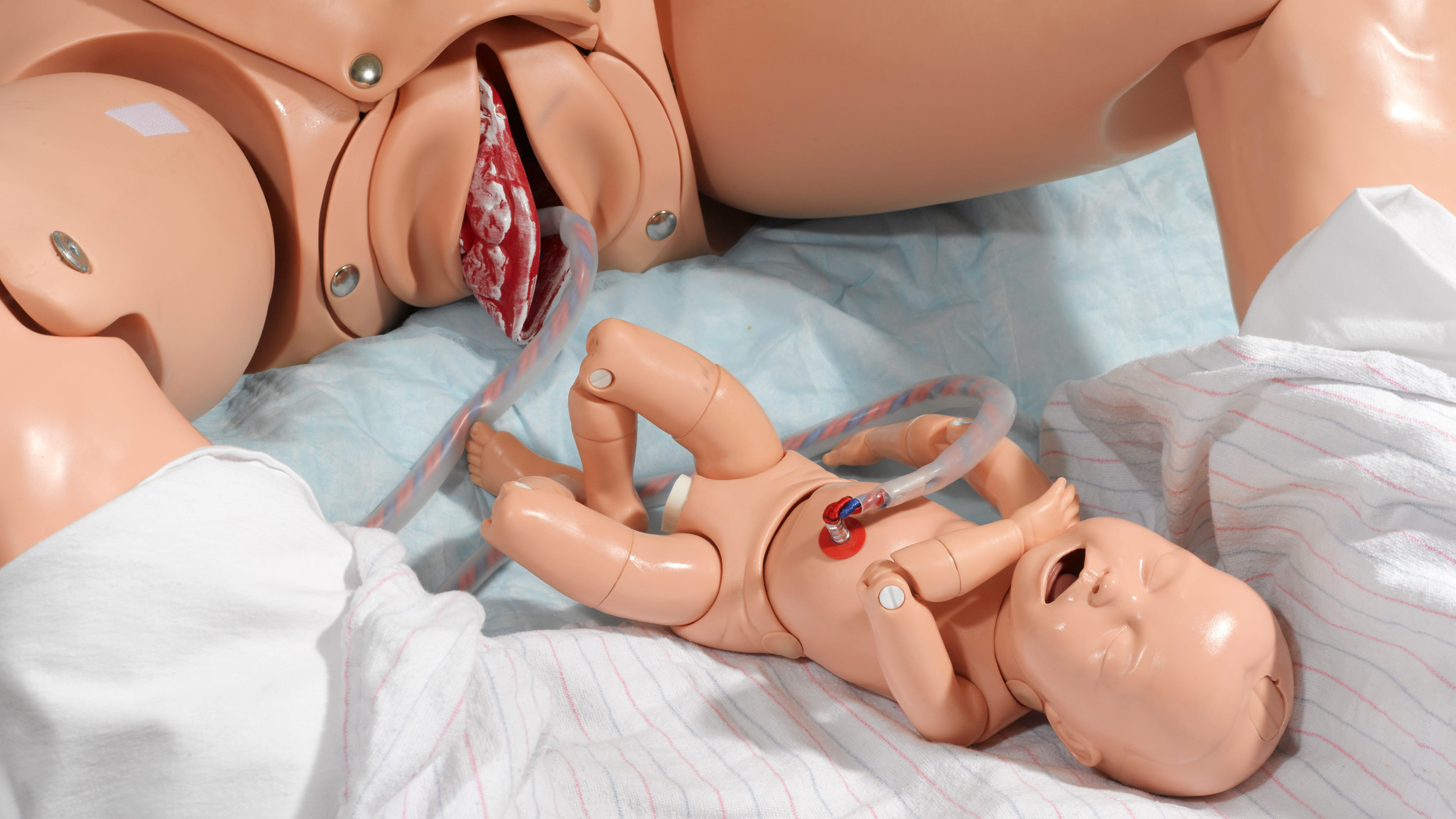 In hospitals, our dignity is up for sale. Here’s how we return care to healthcare
In this essay, Kenyan writer - and former clinician - Njoki Ngumi, puts forward a vision for healthcare that centres wellness and dignity and not just the correct functioning of the human body.
In hospitals, our dignity is up for sale. Here’s how we return care to healthcare
In this essay, Kenyan writer - and former clinician - Njoki Ngumi, puts forward a vision for healthcare that centres wellness and dignity and not just the correct functioning of the human body.
 The biggest story in the UK is not Brexit, it’s life expectancy
Danny Dorling exposes the sustained impact of austerity policies on life expectancy in Britain, and draws our attention to what he calls the “long, slow disintegration of social norms and expectations”.
The biggest story in the UK is not Brexit, it’s life expectancy
Danny Dorling exposes the sustained impact of austerity policies on life expectancy in Britain, and draws our attention to what he calls the “long, slow disintegration of social norms and expectations”.
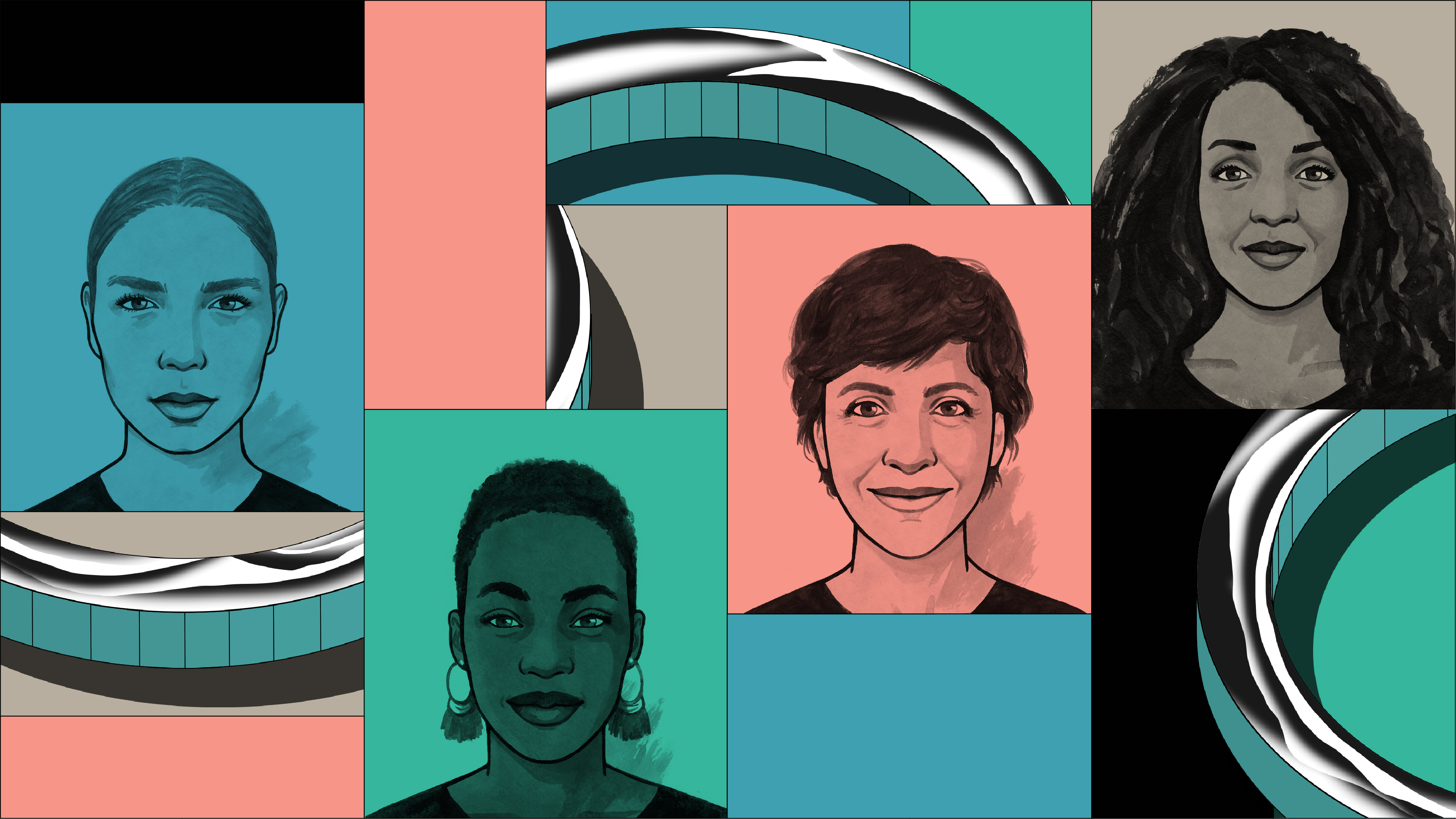
 Algorithms that run our lives are racist and sexist. Meet the women trying to fix them
When I interviewed Timnit Gebru for this story, the AI ethicist told me she was wary of being labelled an activist. Neither of us knew then that two years later she would be forced from her job as the co-lead of Google’s Ethical Artificial Intelligence team.
Algorithms that run our lives are racist and sexist. Meet the women trying to fix them
When I interviewed Timnit Gebru for this story, the AI ethicist told me she was wary of being labelled an activist. Neither of us knew then that two years later she would be forced from her job as the co-lead of Google’s Ethical Artificial Intelligence team.
Founder, Rob Wijnberg’s recommendation